Tag: Nonprofits

High Impact Ideas to Support Education
It’s back to school time. Is education on your mind? At Greater Poweshiek Community Foundation (GPCF) it’s on our mind this month and the other 11 months of the year. If education and related causes are important to you, GPCF can help you explore ways to make an impact. Here are three ideas to inspire a deeper discussion: Building connections

Pleasant Grove Land Preservation & GPCF’s Unique Partnership
In 2024, the Greater Poweshiek Community Foundation (GPCF) stewarded a 600 acre gift of property with significant environmental and ecological benefit. This donation is a unique and effective partnership and the origin of the Pleasant Grove Land Preservation Inc (the donor) is a lesson in the power of strategic co-funding – a partnership among individuals who collectively work in pursuit

More than a giving account: building your charitable legacy
You might initially think of a donor-advised fund as a simple charitable savings account: contribute assets, immediately receive a tax deduction, and recommend grants to your favorite 501(c)(3) nonprofits over time. While that is certainly true, many people are surprised to learn just how flexible a donor-advised fund can be. For many donors, the creative use of donor-advised funds

Many happy returns: How to help your kids celebrate charitable giving
If you’ve ever considered charitable giving in lieu of gifts for your child’s birthday party, you are not alone! Lots of parents are encouraging their kids to request gifts to support local charities instead of presents. This could include collecting books for a children’s hospital, supplies for an animal shelter, or food for a local food bank. When a group

Serving charitable clients: Dual strategies emerge
As tax laws and market dynamics continue to shift, it is important for attorneys, CPAs, and financial advisors to be aware of two increasingly distinct groups of donors. On one hand, the high federal estate tax exemption and new restrictions on itemizing charitable deductions are creating unique opportunities for your clients whose assets exceed $30 million. On the other hand,

Tax Season Debrief: Three Common Regrets
If you’re like many donors, the weeks leading up to tax deadlines tend to bring charitable giving into sharper focus. You may have finalized contributions, gathered documentation, or had conversations with your CPA about how your giving fits into your overall financial plan. After the deadline has passed, it’s tempting to move on and not revisit these decisions until later

Charitable giving, due diligence, and how Greater Poweshiek Community Foundation can help
Many people want to be thoughtful in their charitable giving, but that doesn’t always make the process easy. In fact, one of the most common challenges donors face is simply feeling confident in their decisions. With so many worthy organizations, urgent needs, and compelling opportunities, it can be difficult to know where to start—or how to know if you’re making

Donor-Advised Funds: Flexible, Tax-Friendly, and Just the Beginning
As attorneys, CPAs, and financial advisors, you’ve no doubt noticed that financial publications’ coverage of donor-advised funds is increasing. This is no surprise, considering that these popular vehicles can help your clients achieve both their financial and philanthropic goals. A donor-advised fund at the community foundation is not only useful as a standalone tool, but even more importantly, it can
Good News About Donor-Advised Funds
Three fundamental concepts are important to gaining a better understanding of how donor-advised funds work at the community foundation. Many options are available at GPCF. It’s important to note that a donor-advised fund is just one of many types of funds that an individual, family, or business can establish with GPCF. You’re likely more aware of donor-advised funds than other
Women and philanthropy: Impact Across Generations
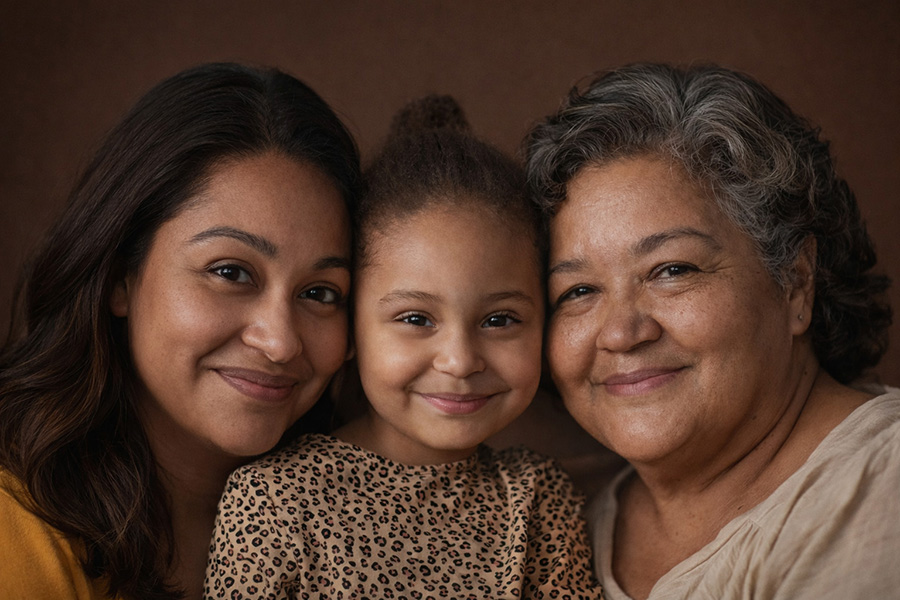
March is Women’s History Month, and it’s a great time to share information about the increasing role of women in philanthropy. Sometimes this shift happens gradually—a daughter becomes more involved in conversations about family giving, or a spouse who once deferred decisions begins shaping philanthropic priorities more directly. In other cases, the transition is sudden and deeply personal, such as
Contact Info
The National Standards Seal indicates official confirmation from the Council on Foundations that we have met the most rigorous standards in philanthropy. It affirms our commitment to financial security, transparency & accountability. GPCF received this seal of approval in January 2010.