Tag: Poweshiek

Lean On Us: Five Reasons to Connect with Greater Poweshiek Community Foundation
At Greater Poweshiek Community Foundation (GPCF), connecting people who care with causes that matter is at the heart of what we do. Whether you are looking for ways to support your community, planning your charitable giving, or considering how philanthropy fits into your financial and estate plans, our team is here to help. As we approach the end of 2026,
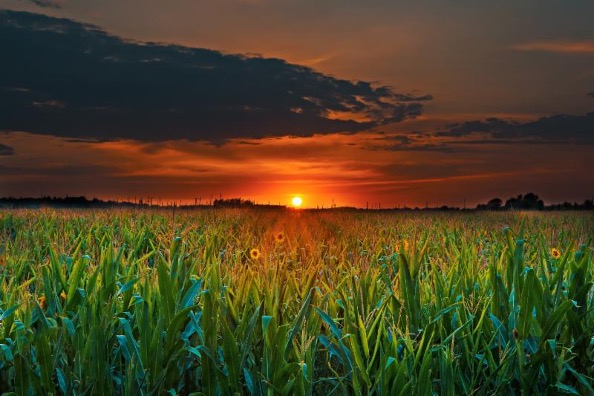
Gifts of Grain – A unique and fruitful way to give
For generations, farmers have fed families across the country, and a gift of grain allows that same hard work to grow a stronger future right here in Poweshiek County. The Greater Poweshiek Community Foundation (GPCF) accepts gifts of grain and the process is simple. Rather than selling grain and donating the proceeds, the farmer (donor) gives the corn/beans directly to

Life’s important milestones become opportunities for impact
Life’s big milestones are nuanced! Some are deeply personal, such as welcoming a grandchild, retiring after a long career, or celebrating a significant birthday. Other milestones are financial: selling a business, receiving an inheritance, exercising stock options, or selling a valuable piece of real estate. Whether personal or financial, major milestone moments bring a sense of accomplishment. They can also

Qualified Charitable Distributions: What to know in 2026
A Qualified Charitable Distribution (“QCD”) is a useful tool if you’ve reached the age of 70 ½ and want to give to a designated, field-of-interest, or unrestricted fund at Greater Poweshiek Community Foundation (GPCF). In 2026, you can direct up to $111,000 (as an individual) from your IRA to many types of funds at GPCF. This is a somewhat complex

High Impact Ideas to Support Education
It’s back to school time. Is education on your mind? At Greater Poweshiek Community Foundation (GPCF) it’s on our mind this month and the other 11 months of the year. If education and related causes are important to you, GPCF can help you explore ways to make an impact. Here are three ideas to inspire a deeper discussion: Building connections
Charitable giving: Ten ways teens can get involved
At the Greater Poweshiek Community Foundation, we are honored to work with many families across multiple generations. Quite frequently, parents and grandparents share with us their hopes of passing along to the next generation more than just financial assets. They want to pass along values, encourage generosity, and foster a lifelong commitment to community. In many of these conversations, parents
From donor to fund contact – Greater Poweshiek Community Foundation is your partner in philanthropy
The staff at Greater Poweshiek Community Foundation (GPCF) take great joy in helping donors transition to fund contacts. This happens when a donor to GPCF has taken the next step to address a community need by establishing a charitable fund. So how do you transition from a donor to fund contact? We recommend that you consider the steps below and then call our

Pleasant Grove Land Preservation & GPCF’s Unique Partnership
In 2024, the Greater Poweshiek Community Foundation (GPCF) stewarded a 600 acre gift of property with significant environmental and ecological benefit. This donation is a unique and effective partnership and the origin of the Pleasant Grove Land Preservation Inc (the donor) is a lesson in the power of strategic co-funding – a partnership among individuals who collectively work in pursuit

More than a giving account: building your charitable legacy
You might initially think of a donor-advised fund as a simple charitable savings account: contribute assets, immediately receive a tax deduction, and recommend grants to your favorite 501(c)(3) nonprofits over time. While that is certainly true, many people are surprised to learn just how flexible a donor-advised fund can be. For many donors, the creative use of donor-advised funds

Many happy returns: How to help your kids celebrate charitable giving
If you’ve ever considered charitable giving in lieu of gifts for your child’s birthday party, you are not alone! Lots of parents are encouraging their kids to request gifts to support local charities instead of presents. This could include collecting books for a children’s hospital, supplies for an animal shelter, or food for a local food bank. When a group
Contact Info
The National Standards Seal indicates official confirmation from the Council on Foundations that we have met the most rigorous standards in philanthropy. It affirms our commitment to financial security, transparency & accountability. GPCF received this seal of approval in January 2010.